
if you’ve ever had issues with a rental property in Ontario, you’ve probably heard of the Landlord Tenant Board. Maybe you’ve used it yourself, or maybe you're just now trying to figure out how it works.
Whether you’re a landlord or a tenant, things can go south quickly. Missed rent, repairs being ignored, eviction notices served suddenly — it all becomes overwhelming fast. And that’s exactly where the Landlord Tenant Board steps in. It’s not perfect, but it gives both sides a chance to resolve problems the legal way, before things escalate.
So, What Does the Landlord Tenant Board Actually Do?
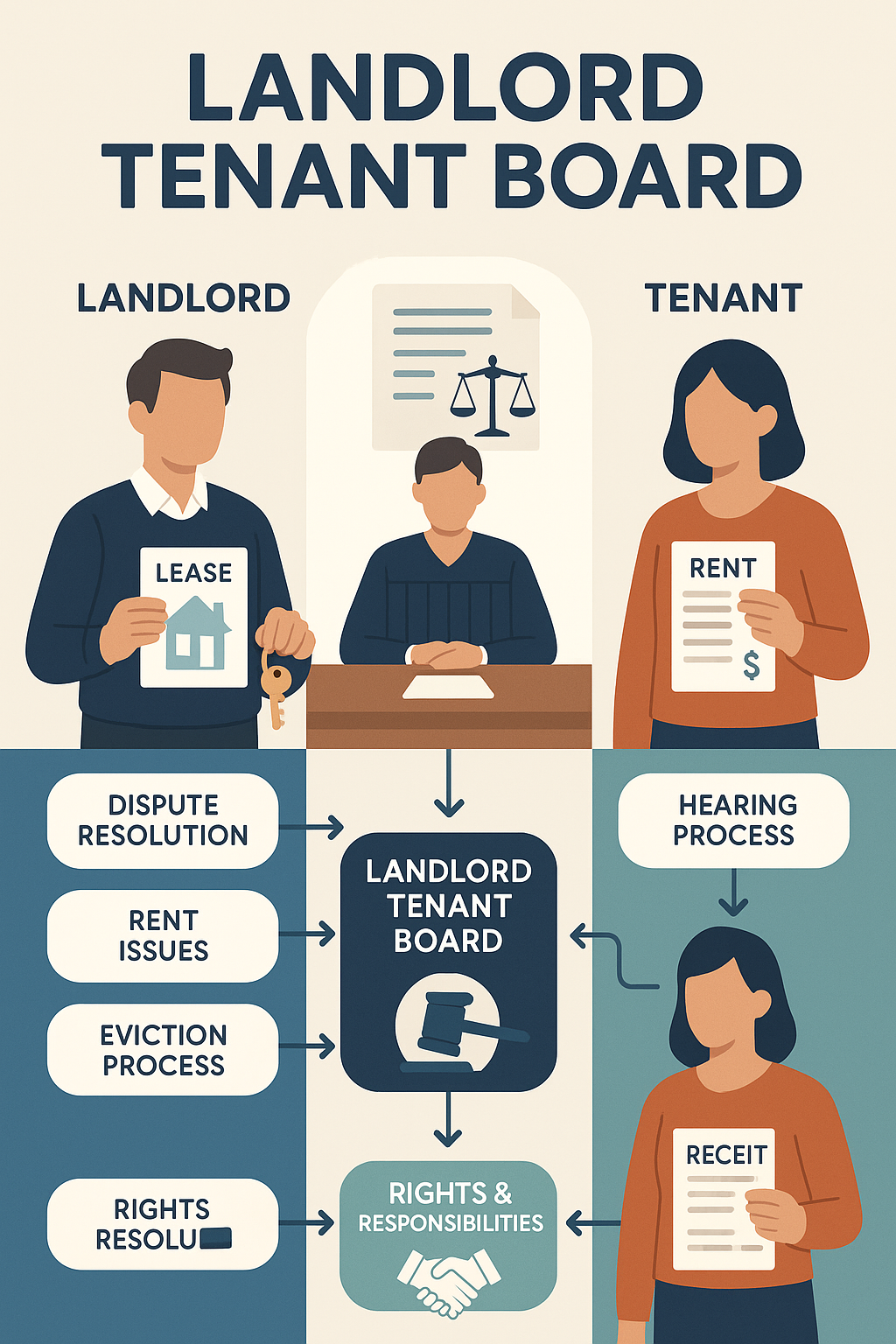
The Landlord Tenant Board, or LTB for short, handles disputes between tenants and landlords under Ontario's Residential Tenancies Act. They don’t take sides — their job is to offer a fair process for resolving issues.
They handle stuff like:
Rent arrears
Maintenance complaints
Illegal evictions
Rent increase disputes
Tenant damage claims
Lease violations
Basically, if there's a problem between a tenant and a landlord, this is where things go to be settled. And no — it’s not just about hearings and forms. It's about getting clarity when communication breaks down.
Why Do So Many People Get Lost in the Process?
It sounds easy on paper: fill out a form, show up for a hearing, explain your side. But real life doesn’t work that neatly.
People often submit the wrong form or forget to include the right documents. Some miss the deadline by just one day and have to start over. Others show up unprepared and get overwhelmed when things move faster than they expected.
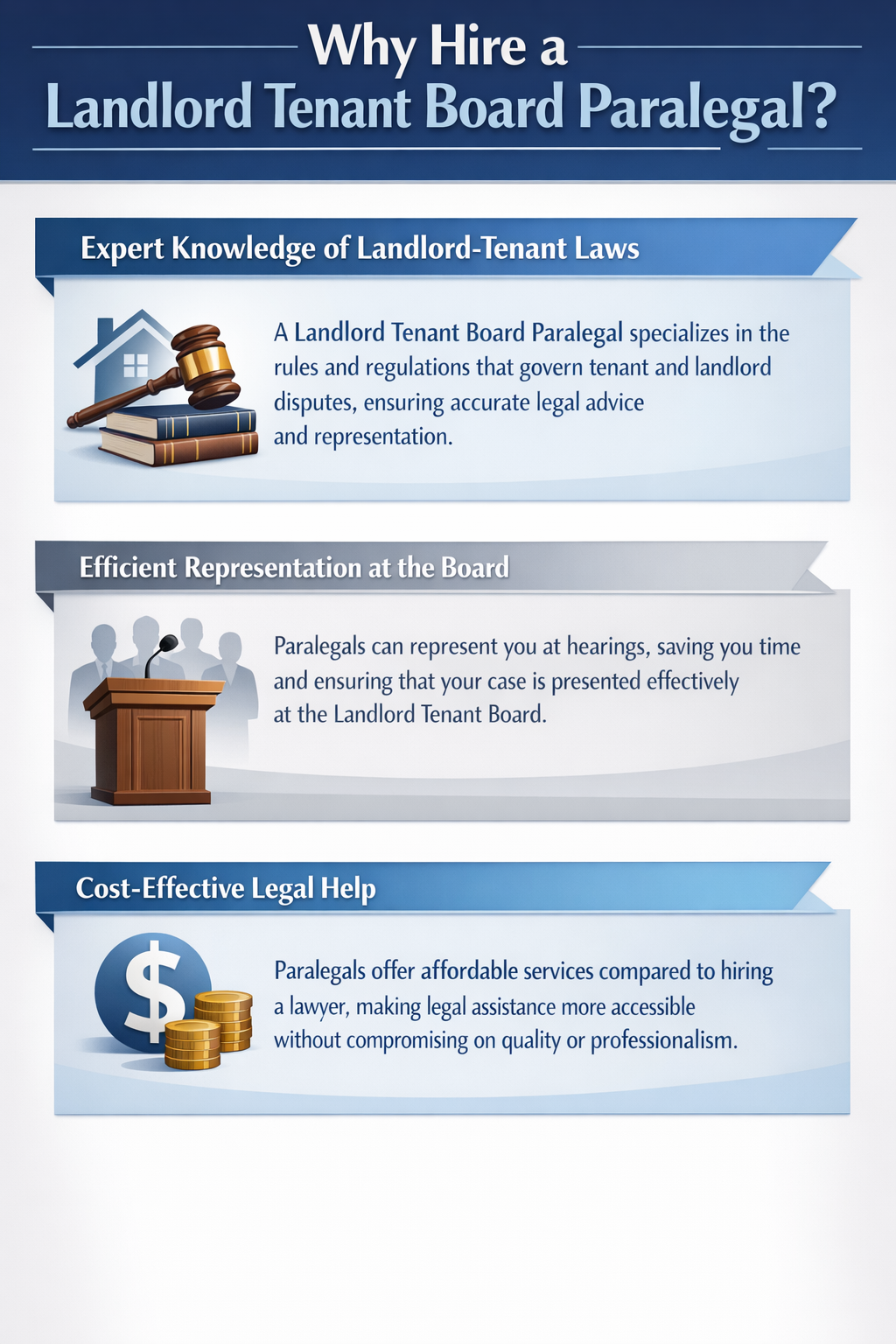
And the worst part? It’s all avoidable. That’s why many people are now turning to Landlord Tenant Paralegal Services. These professionals know the system — they deal with the Landlord Tenant Board every day, and they can help avoid mistakes that cost time and money.
When Should a Landlord File With the LTB?
If you’ve already tried talking to your tenant and things haven’t improved, it might be time to take legal steps.
Here are a few examples where a landlord can use the Landlord Tenant Board:
Tenant hasn’t paid rent in over two weeks
There’s property damage beyond normal wear
You need the unit back for personal use
The tenant is disturbing other tenants or breaking building rules
But here’s the catch — you need to serve the correct notice and follow proper timelines. Many cases get thrown out simply because a landlord used the wrong form or didn’t give enough notice.
That’s where a Landlord Tenant Paralegal Service really comes in handy. They help you prepare and make sure you’re following the rules step by step.
What About Tenants? Can They File Too?
Absolutely. And many don’t even realize it.
Tenants can file with the Landlord Tenant Board if:
Their landlord won’t fix essential things like heat or plumbing
They’re being harassed or threatened
Rent has suddenly increased beyond what’s allowed
They’ve received an eviction notice they believe is unfair
A lot of tenants don’t fight back because they assume the law is only on the landlord’s side — but that’s just not true. The LTB allows tenants to make their case, submit evidence, and ask for compensation if their rights have been violated.
Of course, it helps to have someone in your corner. A Landlord Tenant Paralegal Service can make sure your voice is heard clearly and professionally.
What Happens at a Hearing?
Most LTB hearings are now done by phone or video. At the hearing, both sides explain their version of what happened. You’re expected to bring proof — like texts, photos, receipts, or signed documents.
The adjudicator (basically the judge) listens, asks questions, and eventually makes a decision. Sometimes you hear it right away. Other times, they send it in writing after the hearing.
It sounds simple, but it can get tense fast. Having someone experienced — like a licensed paralegal — can really help you stay calm and get your point across properly.
Common Mistakes to Avoid
People on both sides often make similar missteps when using the Landlord Tenant Board:
Using outdated forms
Missing deadlines
Not showing up
Showing up with no documents
Being too emotional during the hearing
Most of these can be prevented with the right help. That’s why more landlords and tenants are leaning on Landlord Tenant Paralegal Services. They’ve seen it all and know how to present your case so that it makes sense to the adjudicator.
Do You Really Need a Paralegal?
Some people try to save money by doing it themselves — and that’s totally allowed. But consider this: what if you lose the case because of one small error? You might end up starting over, paying fees again, or worse — facing a judgment against you.
Landlord Tenant Paralegal Services aren’t just for big, complicated cases. They’re for anyone who wants to do things right the first time. They help with paperwork, prepare your evidence, coach you for the hearing, and can even speak on your behalf.
How Long Does the Process Take?
Some matters are urgent and get scheduled quickly, like illegal evictions. Others take longer — especially if the LTB is backed up (which it often is).
Once your application is submitted, you’ll be given a hearing date. After the hearing, it can take a few days or weeks to receive a written decision. If there’s a mistake, you may have to request a review or appeal.
A Landlord Tenant Paralegal Service can track these dates for you and keep everything on schedule.
Final Thought: Don’t Wait Until It’s Too Late
Whether you’re a landlord or tenant, if something doesn’t feel right, don’t wait until it turns into a full-blown legal mess. The Landlord Tenant Board is there to help — but only if you use it correctly.
And if the process feels confusing? That’s okay. It’s not something most people do every day. But there are people who deal with it all the time — and they’re ready to help.
Working with a Landlord Tenant Paralegal Service can give you peace of mind. They handle the details so you can focus on what matters most — protecting your home or your property.





Write a comment ...